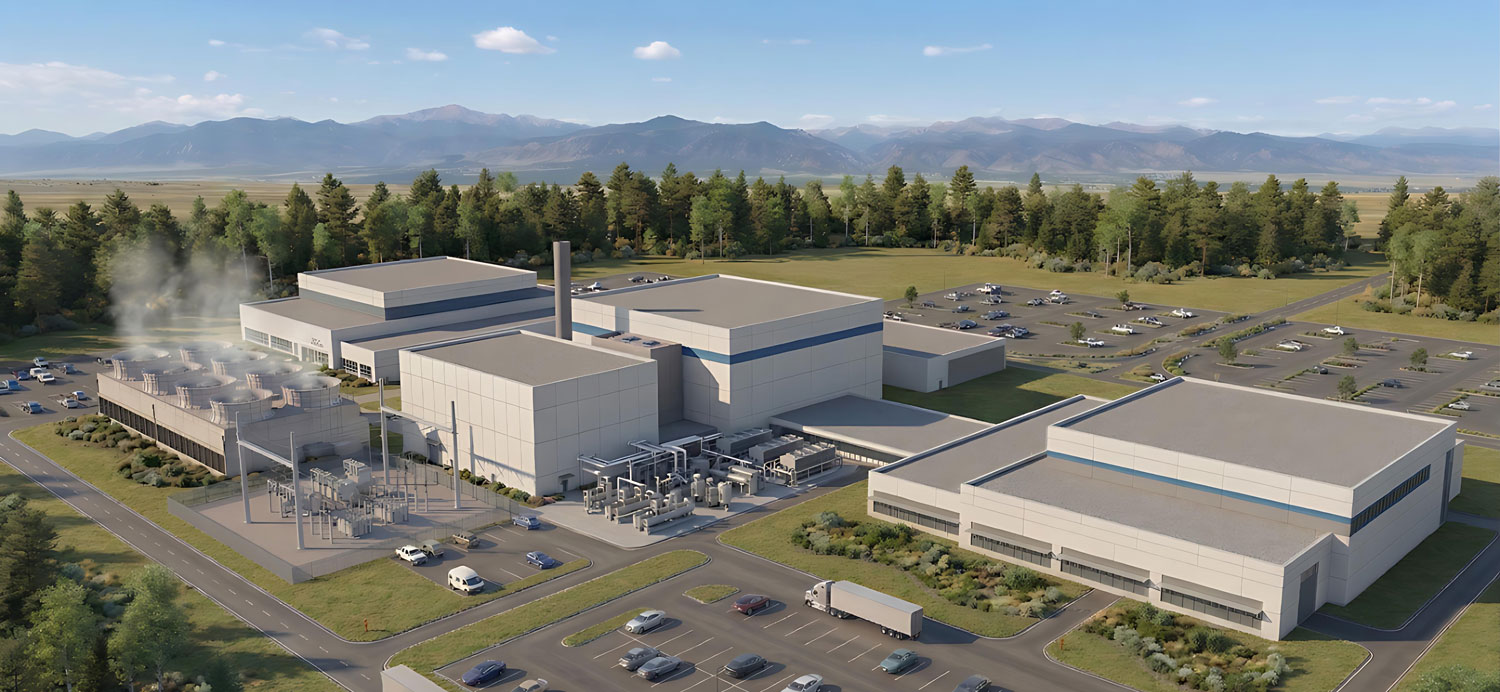
Lawrence Livermore National Laboratory, CC BY-SA 3.0, via Wikimedia Commons
The National Ignition Facility proved laser fusion works.
Xcimer is building what’s next: safe, reliable commercial fusion power plants that compete on cost with fossil fuels and renewables.
Joe McNally/Hulton Archive via Getty Images
Laser fusion fundamentals
In 2022, after 60 years of global effort, America’s National Ignition Facility crossed a historic threshold, producing more energy from a fuel capsule than the laser delivered to it. In April 2025, NIF pushed further: 8.6 megajoules of fusion energy from 2 megajoules of laser input.
Laser fusion is the only fusion approach to have ever crossed that line.
But NIF wasn’t built to generate electricity, and we still need much better performance for a commercial system.
Milestones, not miracles
We’ve developed the most viable path to commercial fusion energy.
We combine proven science with breakthrough laser architecture. Our technology minimizes cost and scales efficiently so we can be the first laser fusion company to deliver electricity to the grid. Our roadmap starts with Phoenix and leads to the first commercial laser fusion power plant. We methodically retire risk at every step. No long shots.
In February 2026, we published a white paper co-authored with TRUMPF Laser SE on our laser technology and path for the most commercially viable path to commercial fusion energy
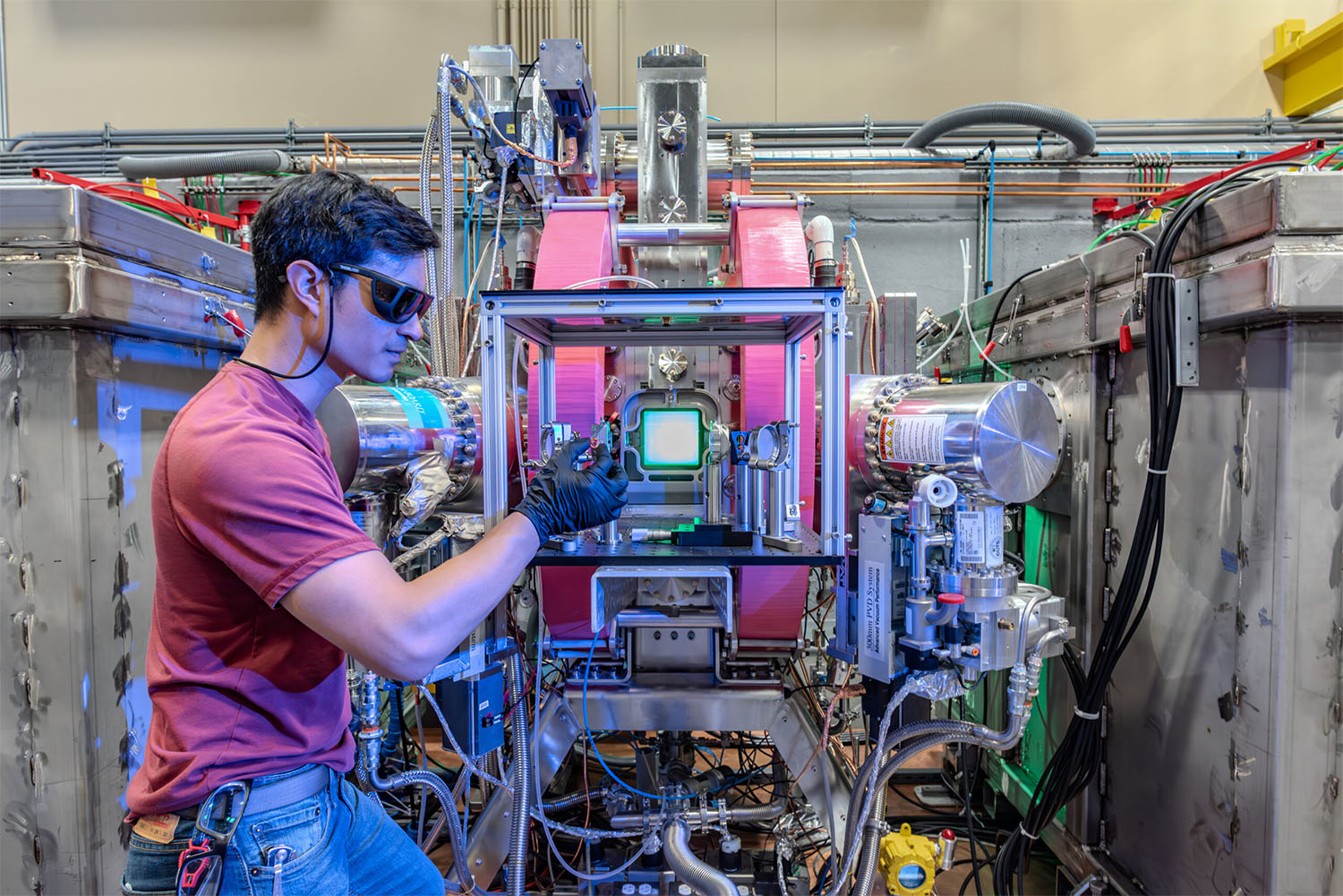
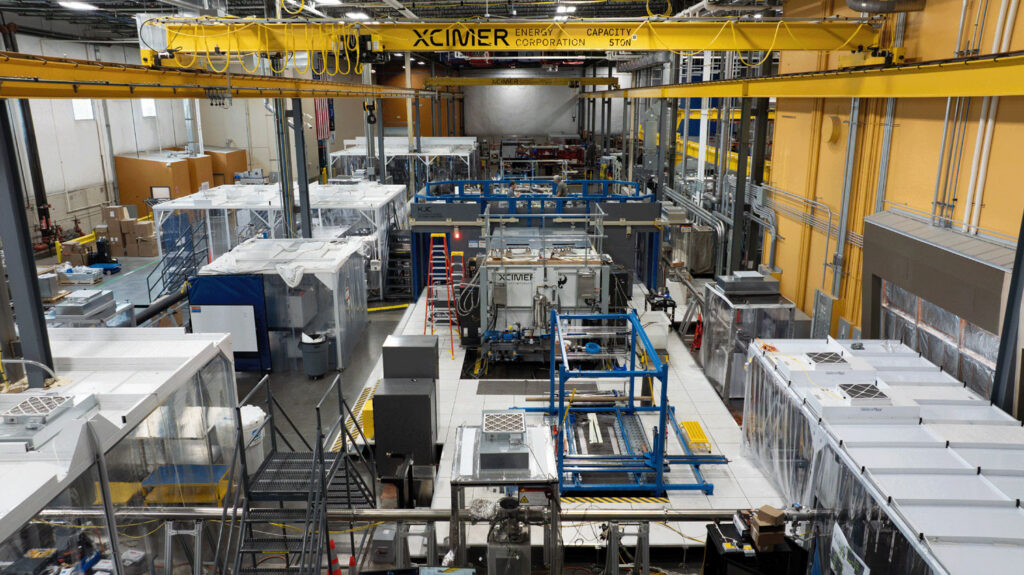
2026 Phoenix
Xcimer’s prototype laser system in Denver, Colorado, demonstrates the core building blocks of Xcimer’s architecture: long-pulse excimer laser operation, our new Marx pulsed power technology, and a pulse compression technique called Stimulated Brillouin Scattering (SBS), which squeezes a microsecond-long pulse down to the nanosecond timescales fusion requires. Phoenix is the world’s highest-energy use of SBS.
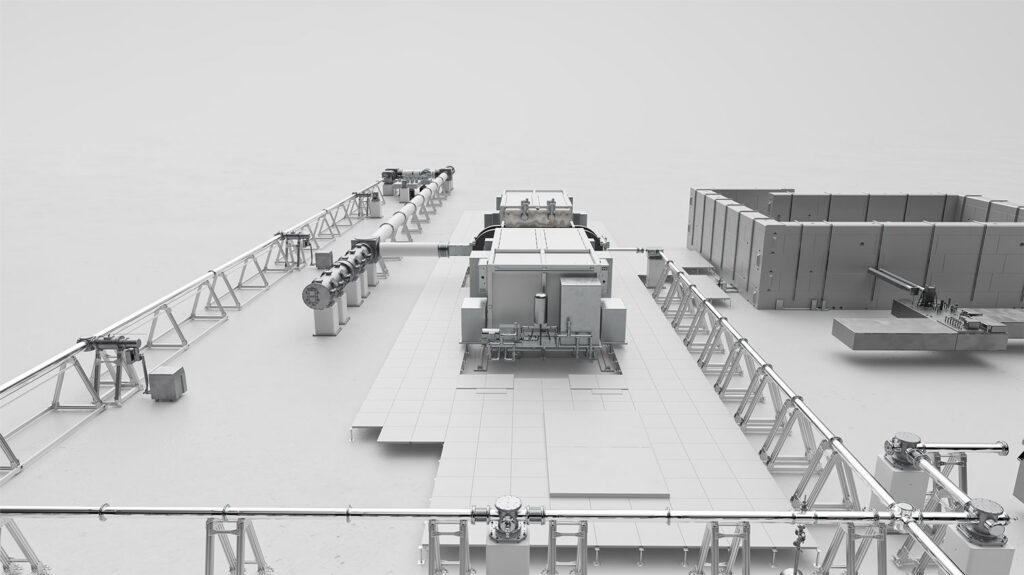
2028 Anvil
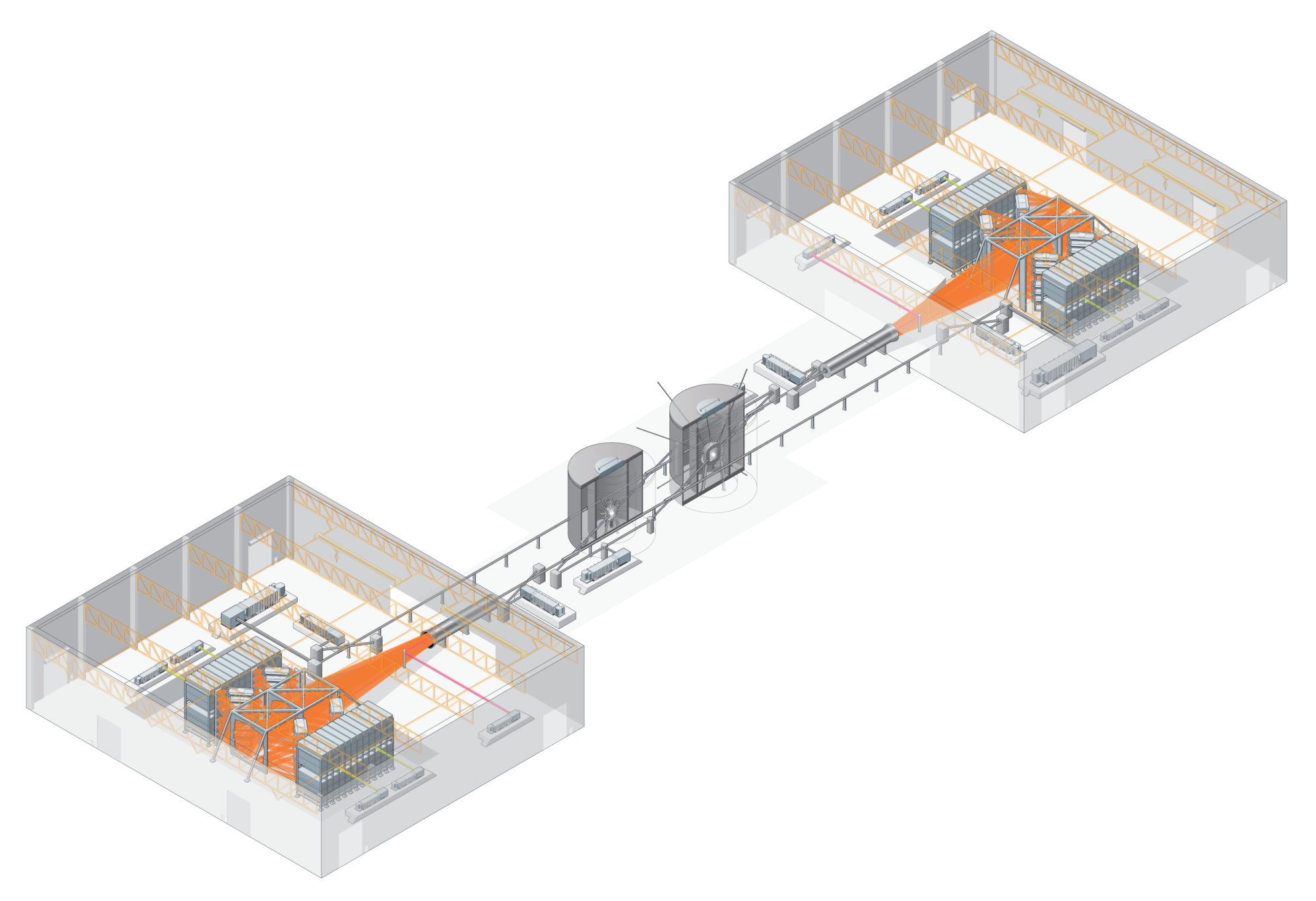
Anvil builds and tests Argos – a full commercial-scale excimer amplifier delivering over 100 kilojoules – and integrates it into a complete two-sided beamline reaching 200 kilojoules on target. Argos will be the largest single laser amplifier ever built.
Early 2030s Vulcan
Multiple Argos modules combined into a system delivering 4 megajoules on target, upgradeable to 12. Primary goal: more electricity out than the wall consumes, by end of 2031. Vulcan will be the most powerful laser system in the world, with immediate applications in national security missions including nuclear weapons effects testing and stockpile stewardship.
Mid-2030s Athena
Athena will become the world’s first laser fusion power plant. With 400 megawatts, around the clock, with a stable supply chain and virtually no safety risks – the lowest-cost electricity on the grid.